Pre-clinical · Delivery Science
Nasal Peptide Delivery
The Science of How Peptides Reach Their Target
Browse Nasal Delivery →
The Science of How Peptides Reach Their Target
Browse Nasal Delivery →We cover nasal and mucosal peptide absorption research from published pre-clinical studies.
Quantitative absorption, permeation, and route-comparison data reviewed critically.
Coverage includes enhancer compounds, pH effects, and mucosal stability findings.
Every factual claim traces back to published pharmaceutical or biochemistry research.
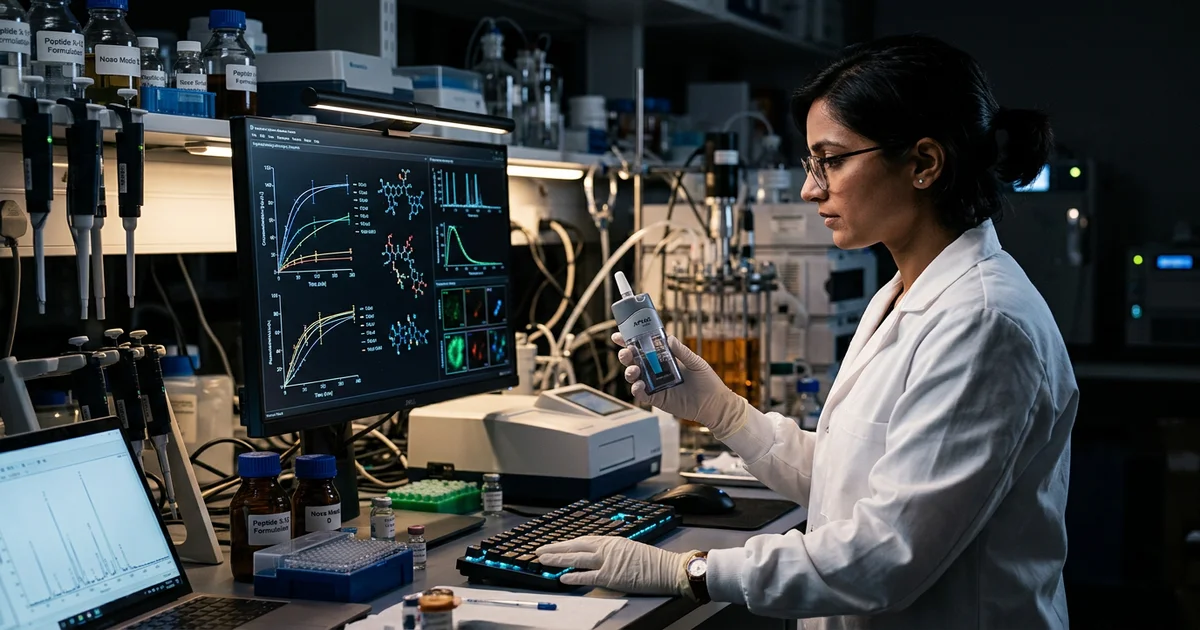
Nasal Peptide Delivery covers the pre-clinical science of mucosal and intranasal drug delivery as it applies to peptide compounds — absorption mechanisms, formulation factors, permeation enhancers, and administration route compari…
Learn More →
Research on intranasal CJC-1295 delivery for GH secretagogue applications — nasal absorption of DAC-peptides, …
Research on intranasal TB-500 (thymosin beta-4) delivery — molecular weight barriers, mucosal absorption, and …

Research on hydrogel and mucoadhesive gel nasal formulations for peptide delivery — residence time, absorption…

Research on LL-37 cathelicidin peptide intranasal delivery — mucosal immunity, antimicrobial activity at nasal…
Research on intranasal dihexa delivery for cognitive enhancement — CNS penetration, olfactory nerve pathway, a…
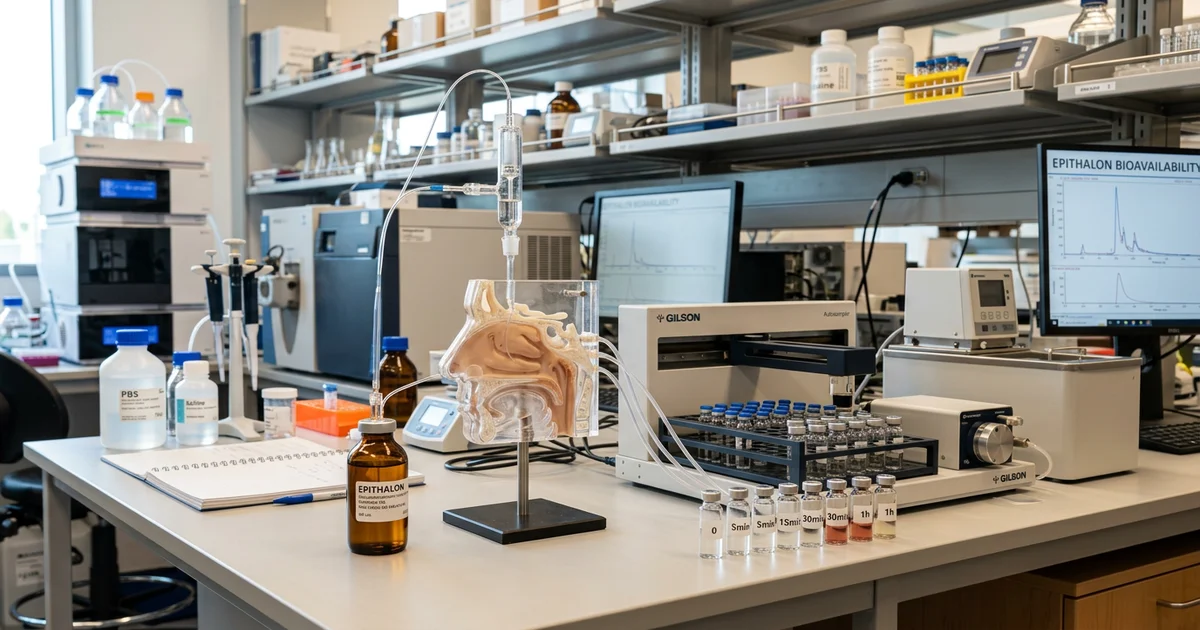
Research on intranasal delivery of epithalon (epitalon) peptide — mucosal absorption, systemic bioavailability…
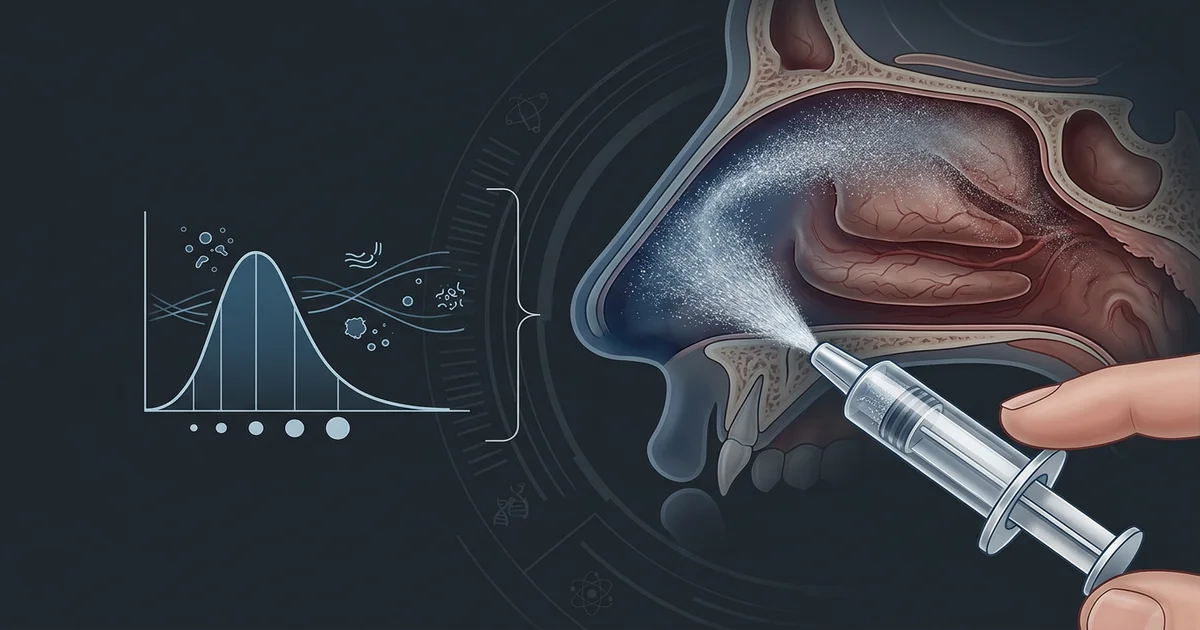
Research on nasal atomizer and mucosal atomization device (MAD) for peptide delivery — droplet size, absorptio…
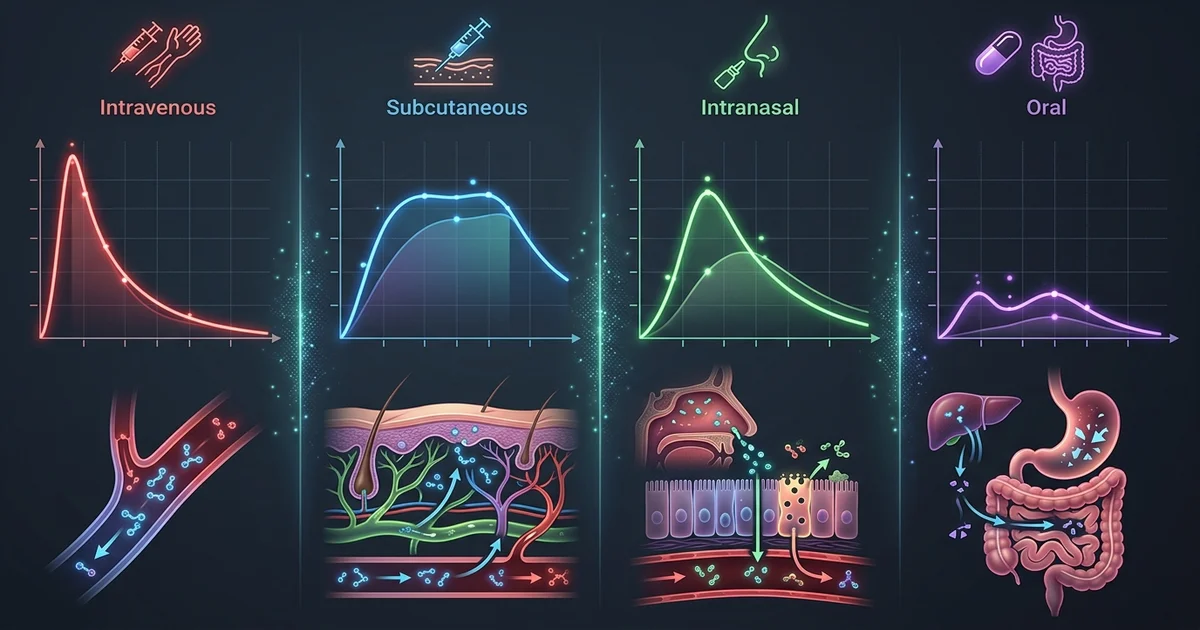
Pre-clinical data comparing peptide bioavailability across nasal, oral, subcutaneous, and intraperitoneal admi…
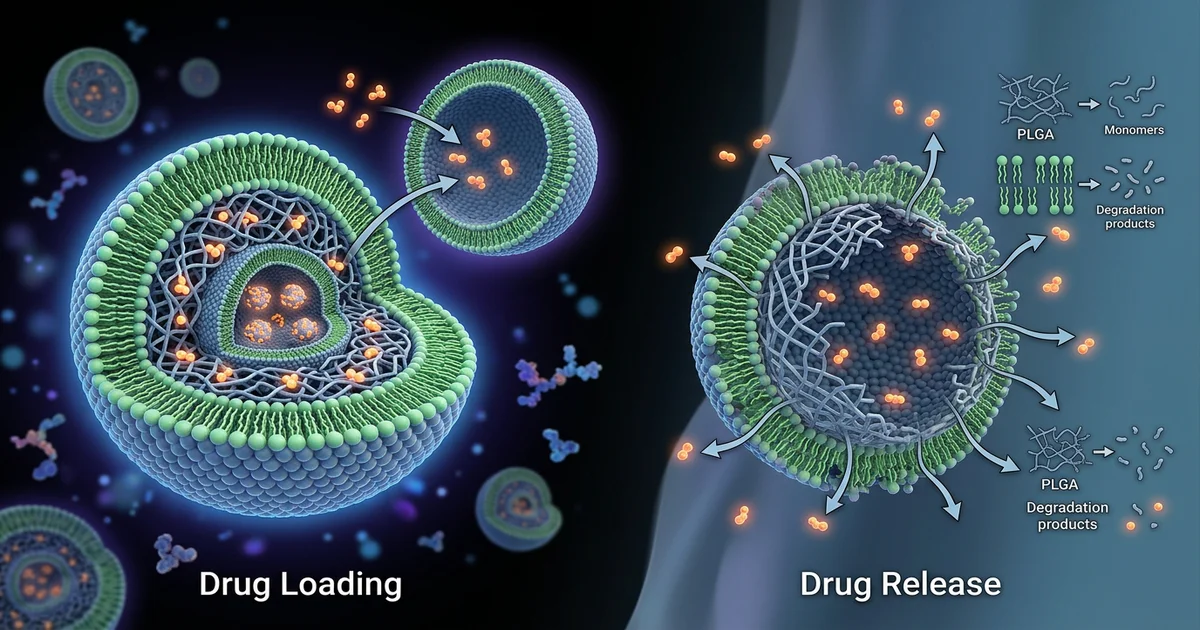
Pre-clinical research on nanoparticle systems for nasal peptide delivery — PLGA, lipid nanoparticles, polymeri…
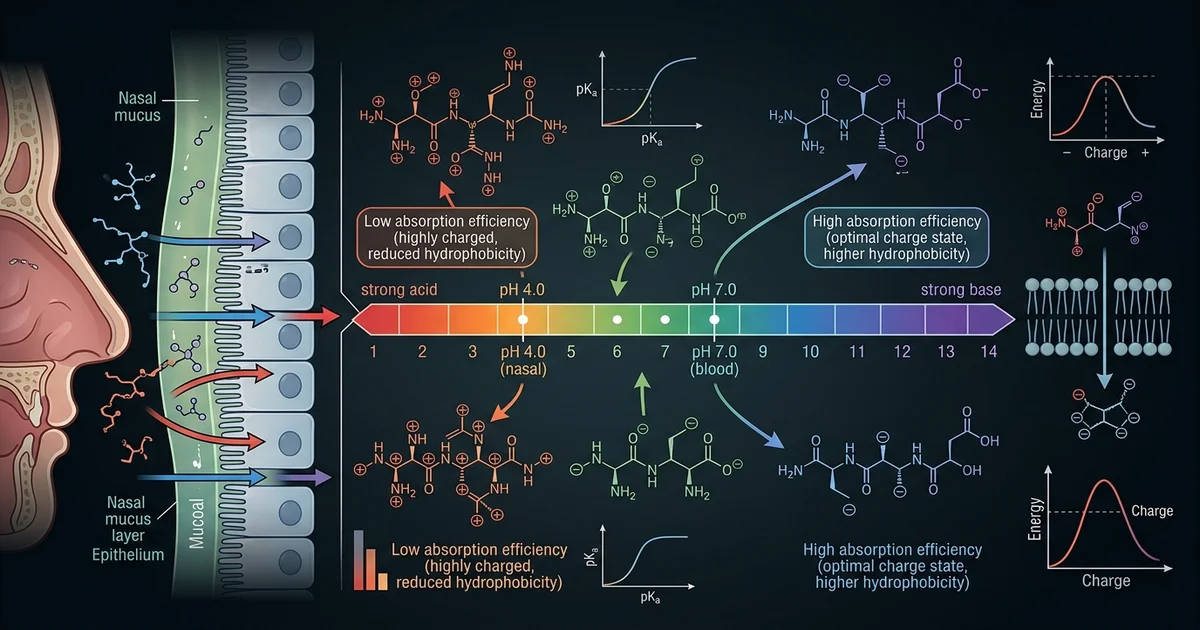
How nasal cavity pH affects peptide absorption — ionization states, mucosal charge interactions, formulation p…
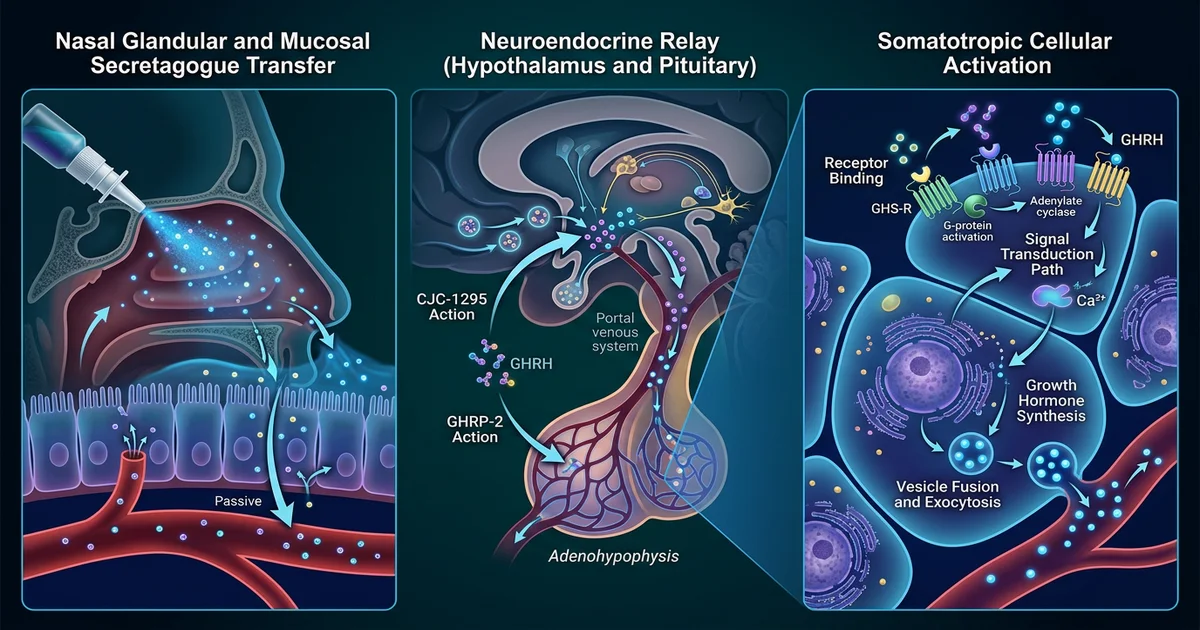
Pre-clinical comparison of nasal vs injectable delivery for growth hormone secretagogues — bioavailability rat…
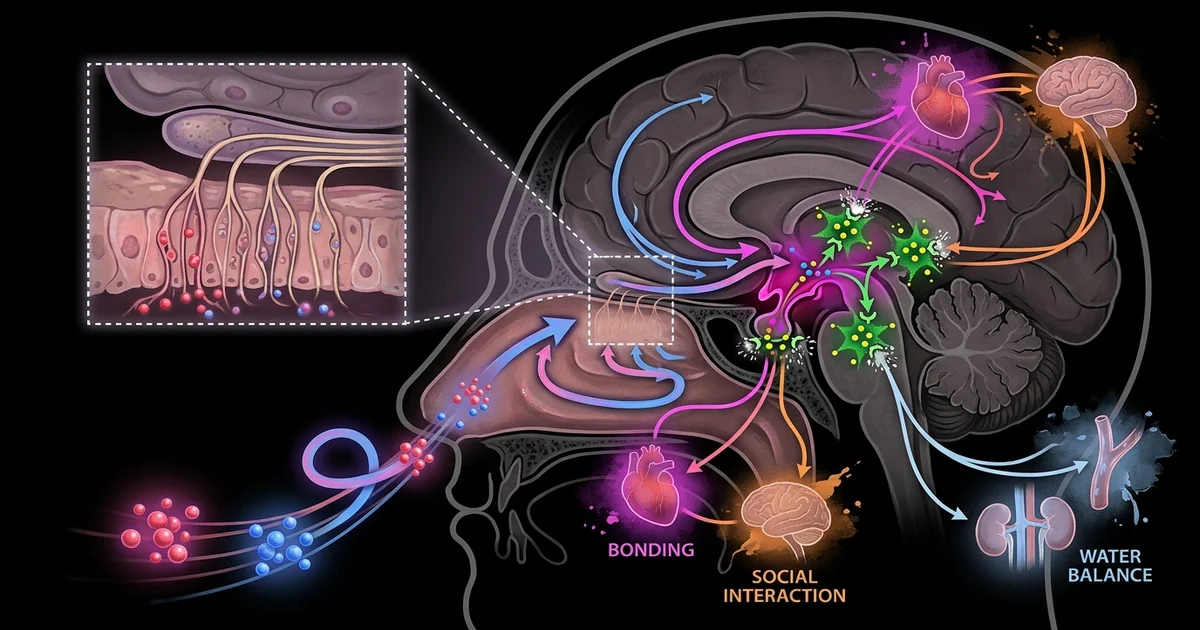
Pre-clinical and human research on intranasal oxytocin and vasopressin delivery — CNS uptake pathways, behavio…
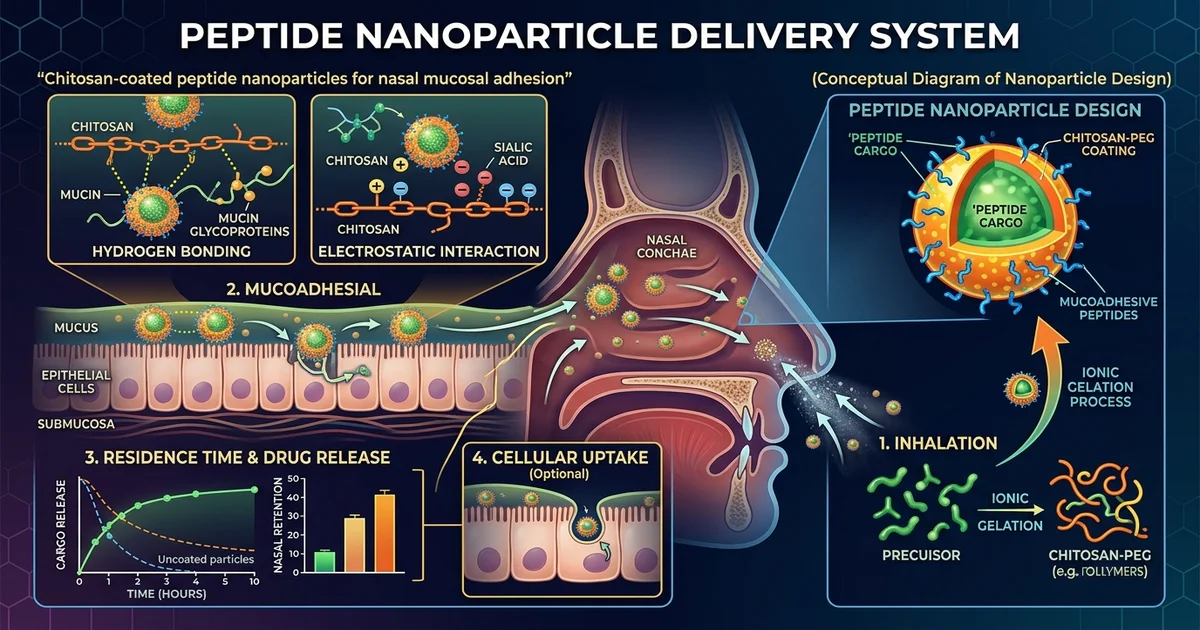
Research on chitosan as a nasal peptide delivery excipient — mucoadhesive properties, tight junction opening, …
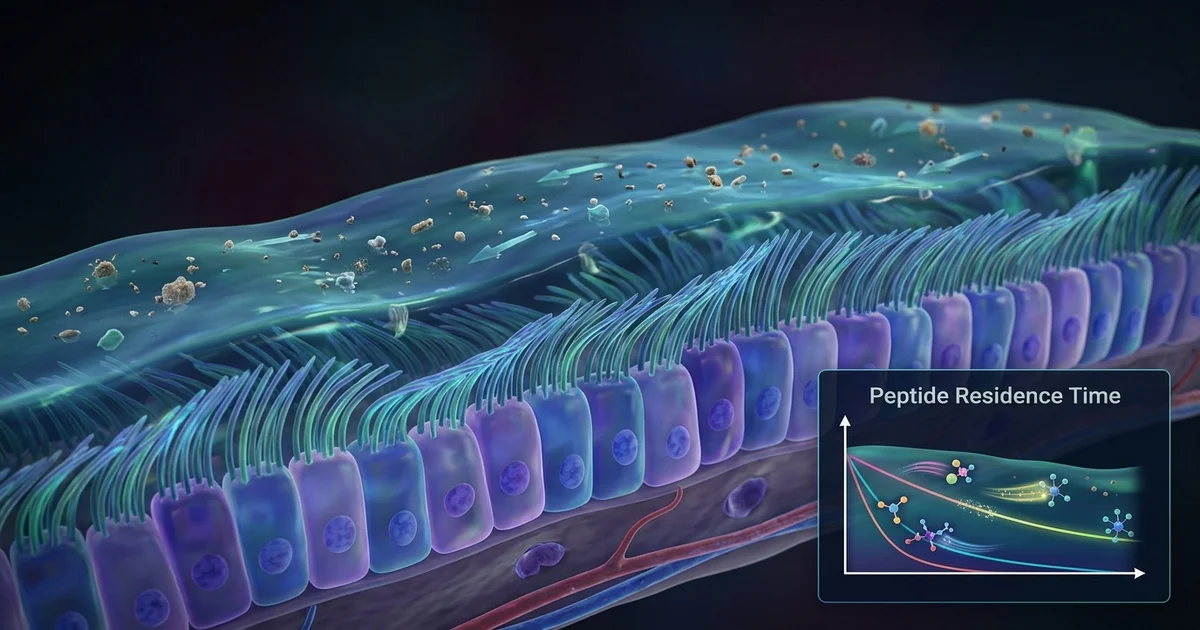
How mucociliary clearance affects nasal peptide delivery — residence time limitations, formulation strategies …
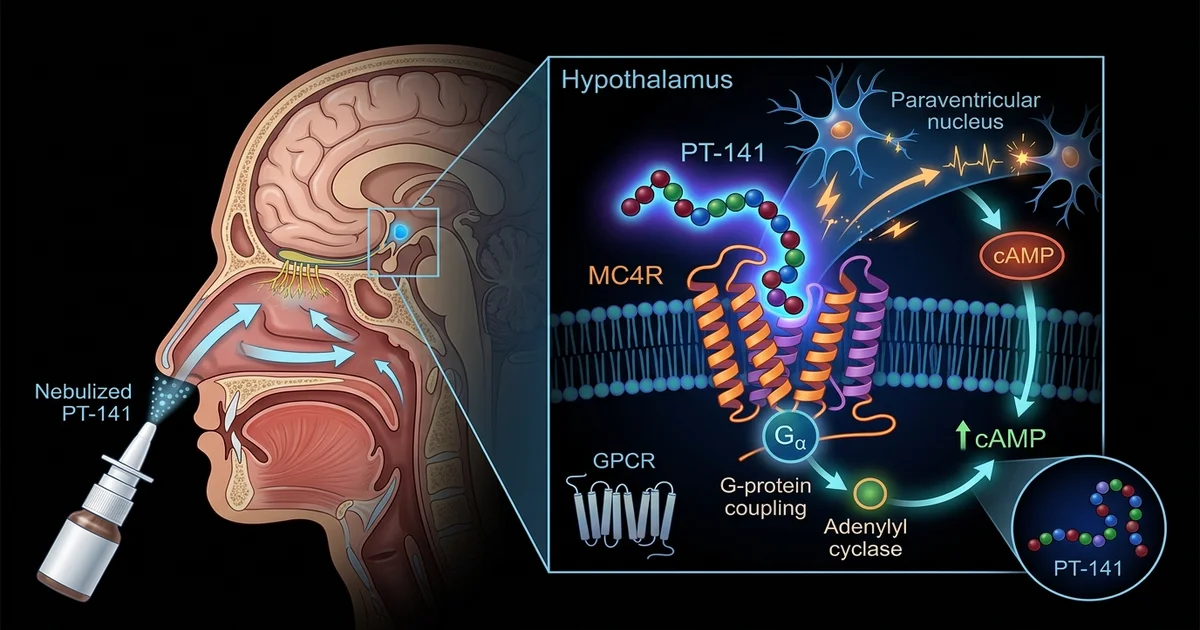
History and science of PT-141 (bremelanotide) as a nasally delivered melanocortin peptide — original pre-clini…
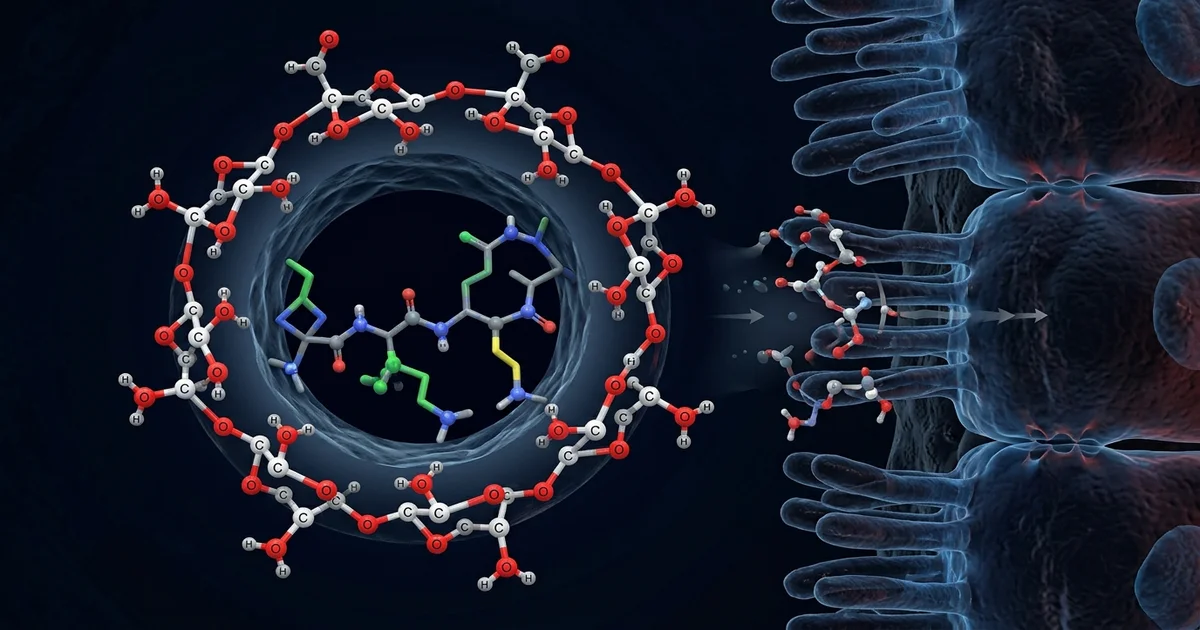
Research on cyclodextrins as nasal delivery enhancers for peptides — solubility improvement, permeation enhanc…
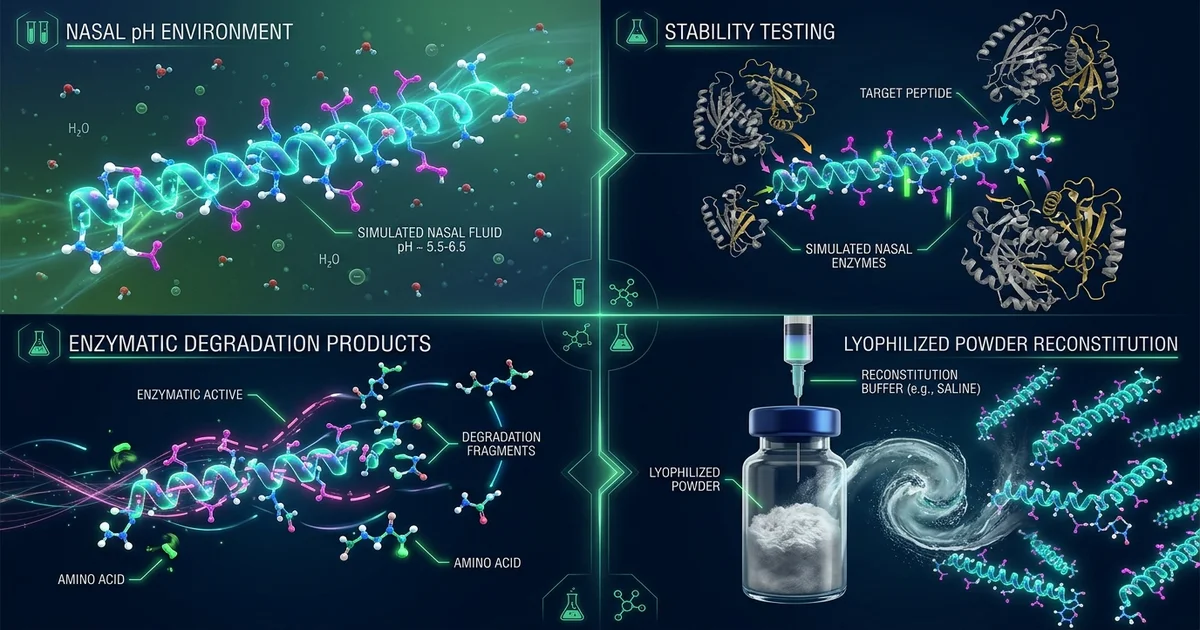
How peptides degrade in nasal formulations — mucosal enzymes, pH effects, aminopeptidases, and formulation str…
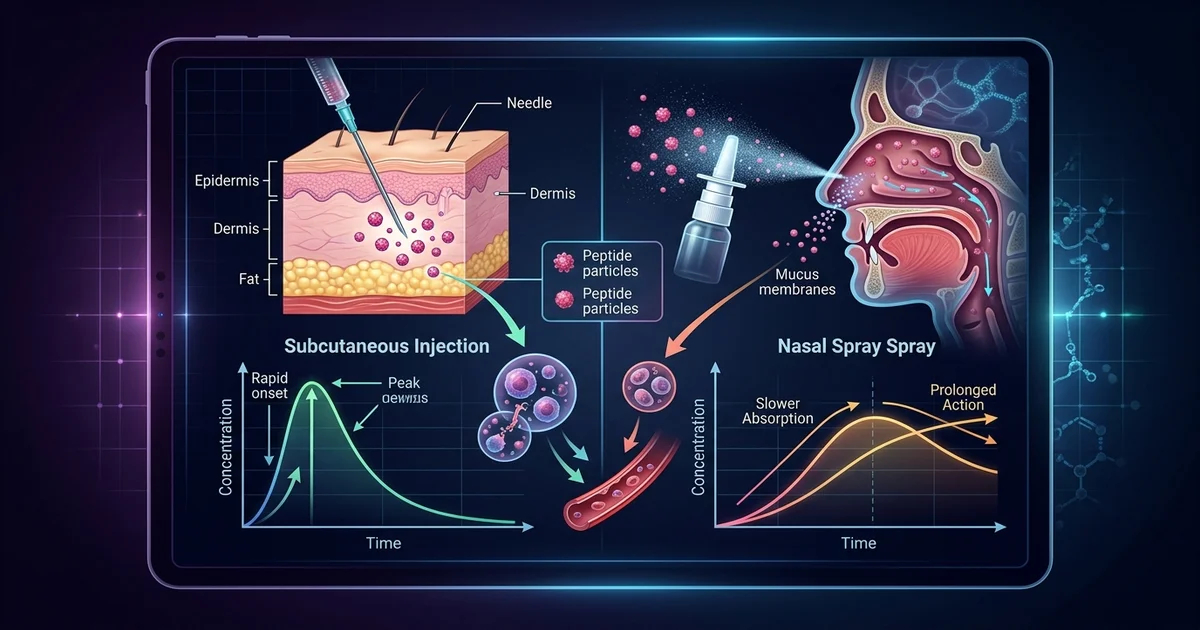
Pre-clinical comparison of subcutaneous and intranasal peptide delivery routes — bioavailability ratios, onset…
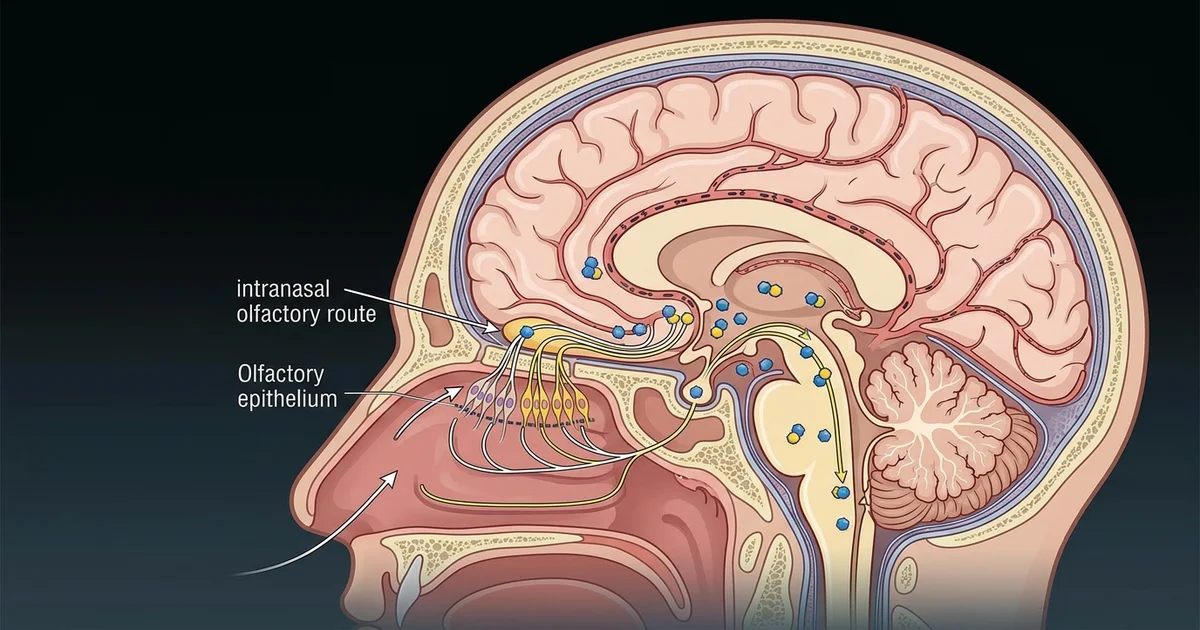
How intranasal peptide delivery can bypass the blood-brain barrier — olfactory and trigeminal pathways, nose-t…
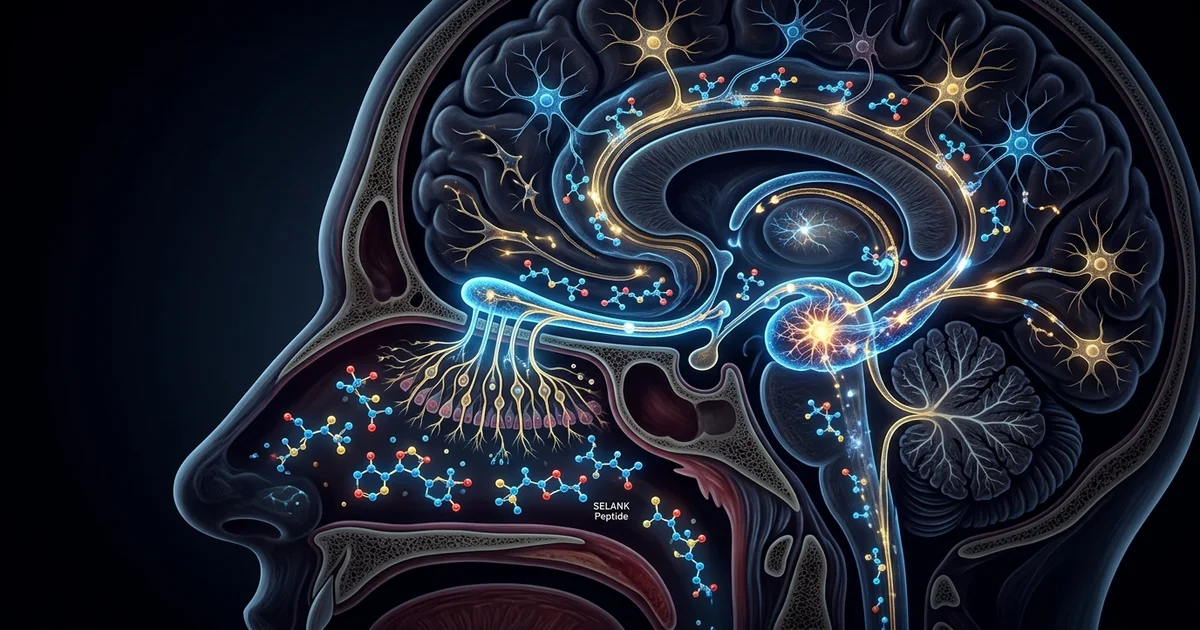
Pre-clinical and published research on Selank intranasal administration — how the anxiolytic peptide is delive…

Review of published research on Semax nasal delivery — the Russian neuropeptide developed for intranasal use, …
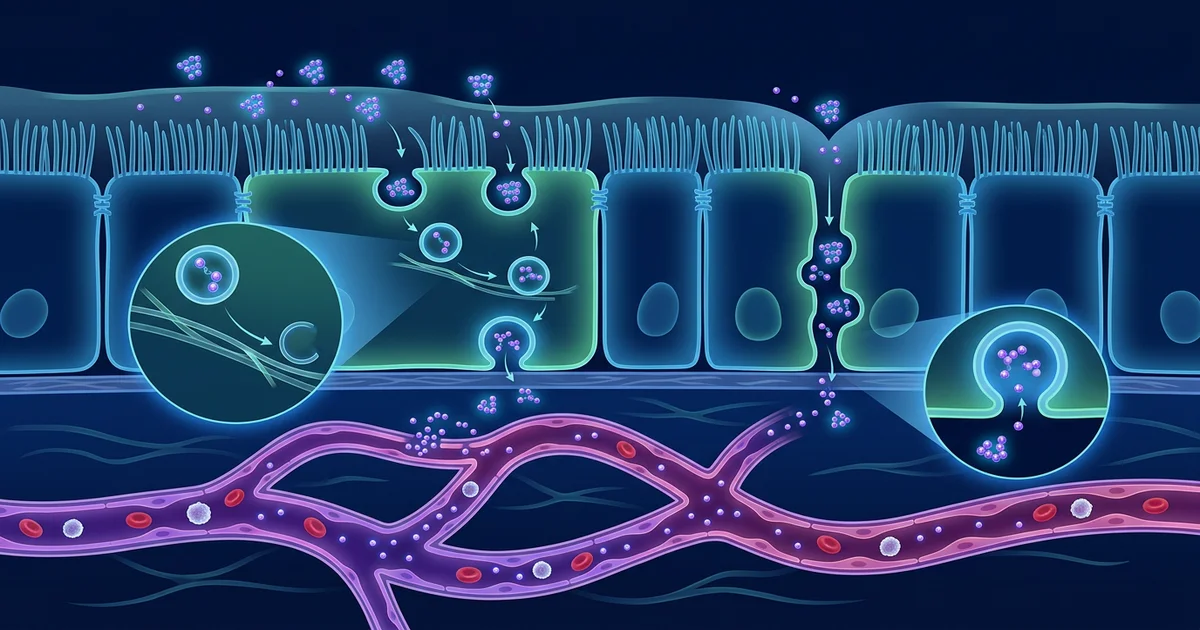
Review of BPC-157 administration route research including nasal delivery considerations — bioavailability comp…
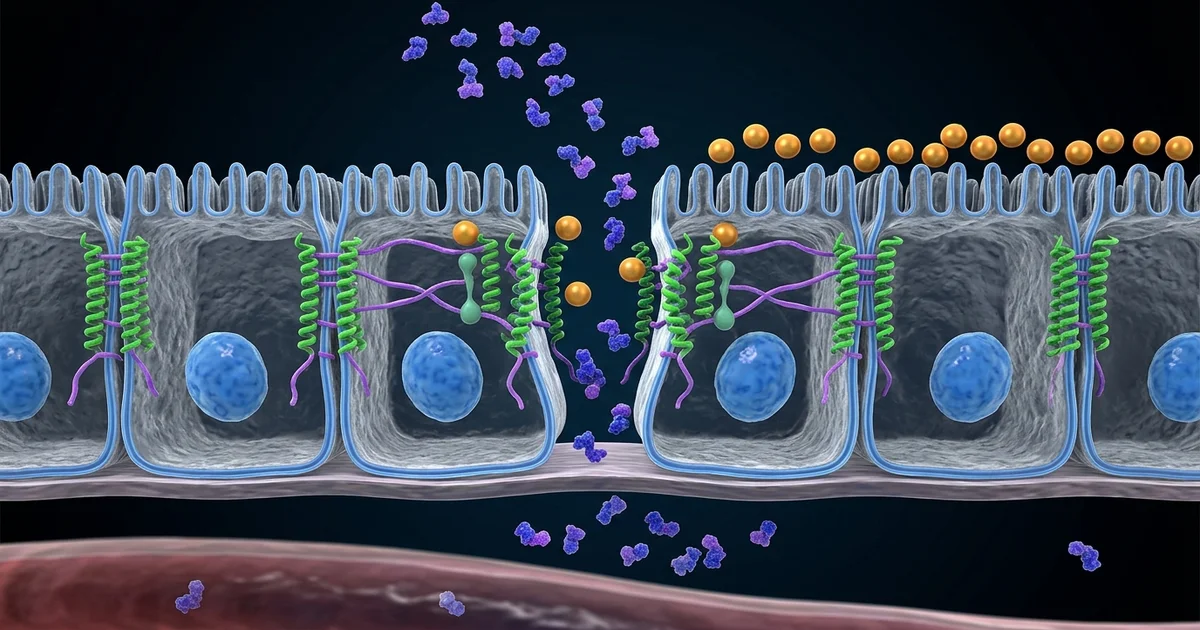
Research on nasal absorption enhancers — chitosan, cyclodextrins, surfactants, and tight junction modulators s…
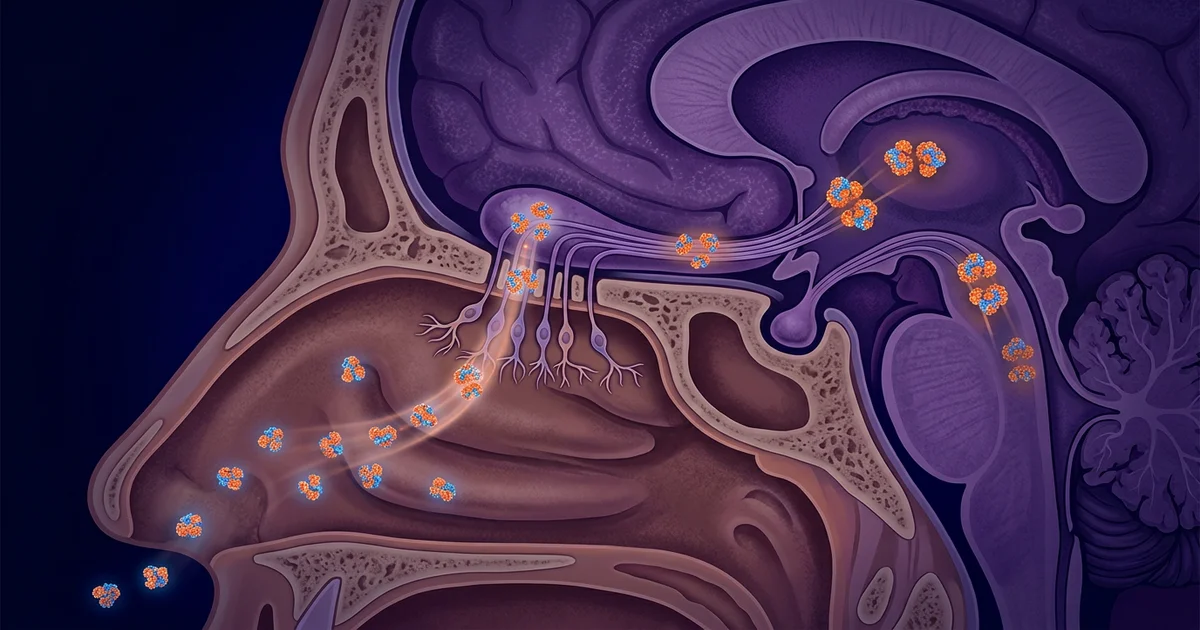
Pre-clinical and early human research on intranasal insulin delivery — how it bypasses systemic circulation to…
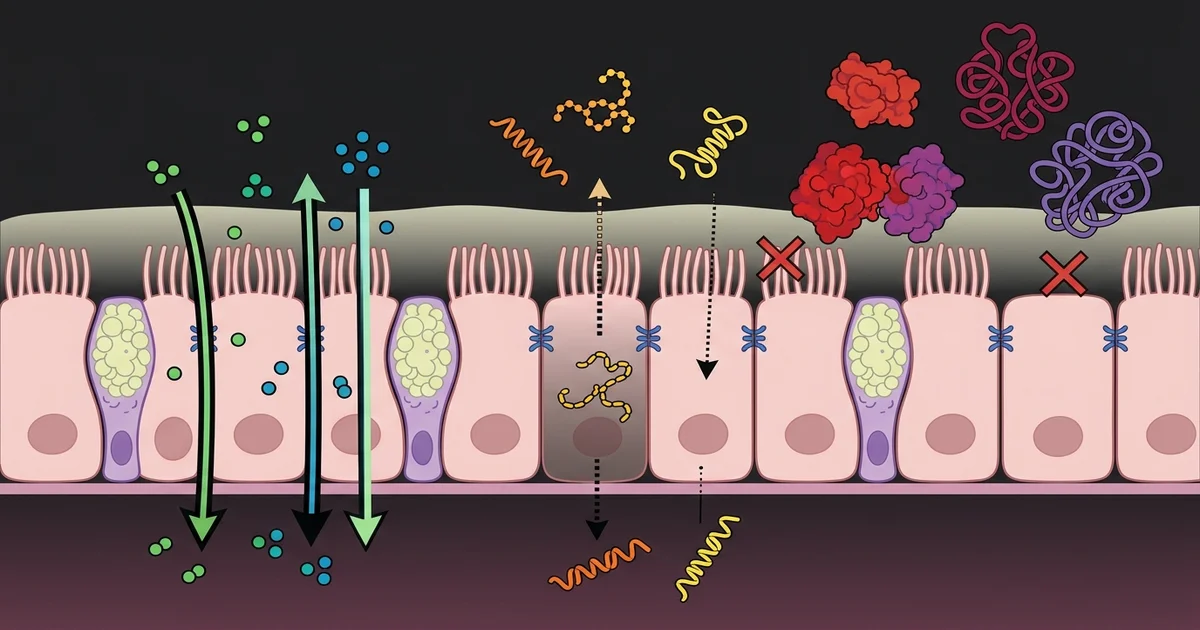
How peptide molecular weight affects nasal absorption — permeation thresholds, size exclusion effects, and pub…
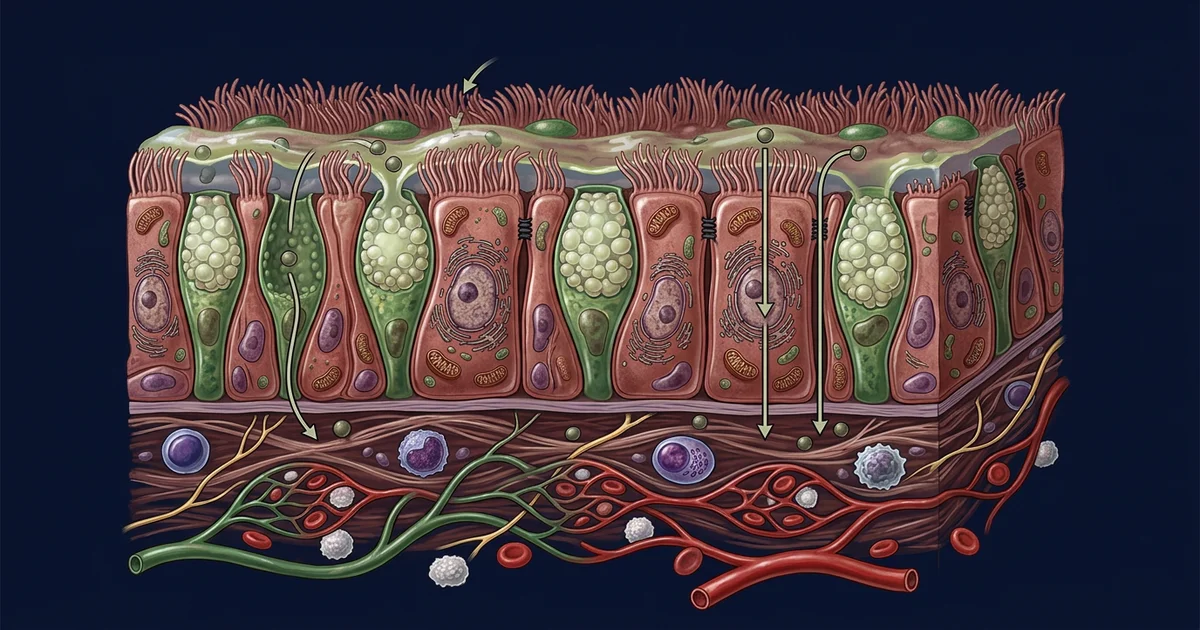
How the nasal mucosa functions as a drug delivery route — anatomy, blood supply, lymphatic drainage, and what …
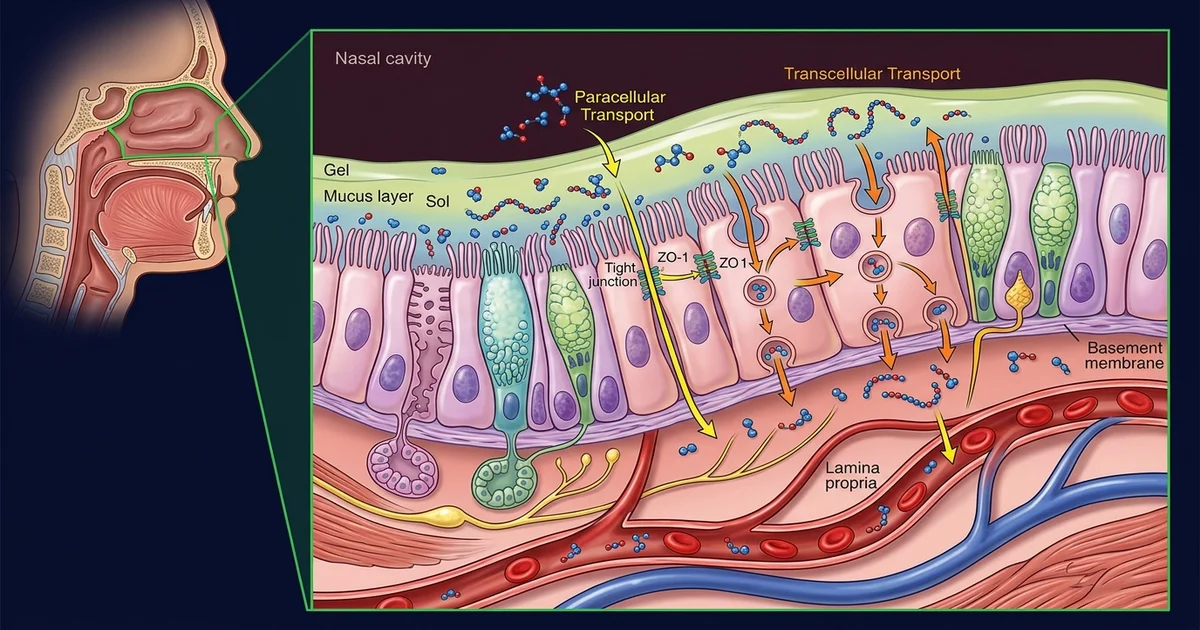
A research overview of nasal peptide delivery — absorption mechanisms, mucosal permeation, bioavailability dat…
Peptide delivery science resource covering nasal absorption, mucosal bioavailability, intranasal peptide research, and administration route comparisons — pre-clinical findings reviewed.